Candle science & craft
Why Old Books Smell Like That: The Vanillin and Benzaldehyde Chemistry, Sourced
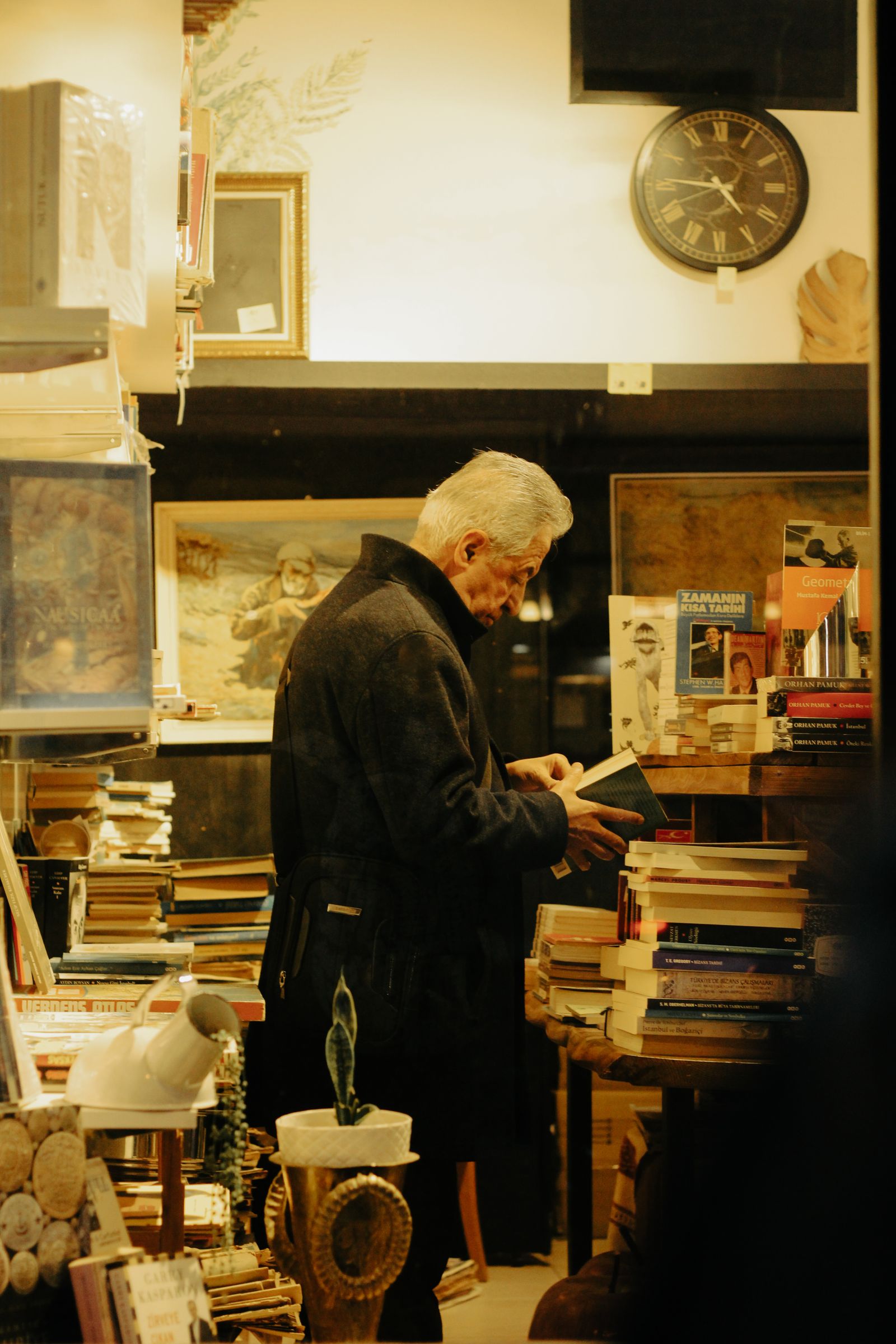
The characteristic sweet, faintly vanilla smell of an old book comes from vanillin, benzaldehyde and several other volatile compounds released as cellulose and lignin in paper slowly break down over years — not from any single "paper" chemical. A 2009 University College London study published in Analytical Chemistry identified around 15 of these compounds using gas chromatography, and its lead researcher described the resulting smell as "a combination of grassy notes with a tang of acids and a hint of vanilla over an underlying mustiness." Bookish fragrance oils reproduce that end-state smell with leather, aged-wood and vanilla notes rather than trying to bottle "paper" directly, which doesn't translate into a fragrance oil on its own.
A 2009 study put a name to the smell
“Old book smell” has an informal name — bibliosmia — but it wasn’t chemically characterized in detail until 2009, when a University College London team led by heritage-science researcher Matija Strlič published “Material Degradomics: On the Smell of Old Books” in the journal Analytical Chemistry. Using headspace gas chromatography-mass spectrometry, a technique that samples the actual gases coming off a material without damaging it, the team identified around 15 volatile organic compounds released as paper degrades over time. Strlič described the resulting smell in tasting-note language usually reserved for wine or coffee: “a combination of grassy notes with a tang of acids and a hint of vanilla over an underlying mustiness.” The study’s real purpose was conservation science — those same compounds correlate with measurable paper properties like acidity and cellulose breakdown, which means a library could in theory “smell-test” a book’s condition without opening or damaging it. The pleasant, nostalgic smell most people notice is a side effect of that degradation chemistry, not something publishers or papermakers ever engineered on purpose.
The compounds doing the work
| Compound | What it smells like | Where it comes from |
|---|---|---|
| Vanillin | Sweet, vanilla | Oxidation of lignin, a structural polymer in wood-pulp paper |
| Benzaldehyde | Almond-like, faintly sweet | A byproduct of paper’s slow oxidative breakdown |
| Furfural | Sweet, slightly bready | Breakdown of hemicellulose in the paper pulp |
| Toluene and ethylbenzene | Faintly sweet, mildly aromatic | Residual solvents and further degradation byproducts |
| Acetic acid | Sharp, vinegar-like | Cellulose hydrolysis; the “tang of acids” in Strlič’s description |
Vanillin is the compound most people key in on because it’s the same molecule responsible for vanilla’s scent in nature — chemically identical whether it comes from a vanilla bean’s biosynthesis or from decades of lignin slowly oxidizing inside a paper’s fibers. Benzaldehyde adds the faint almond note underneath it, and acetic acid contributes the sharper, slightly sour edge that keeps the overall smell from reading as pure dessert. None of these compounds are added to paper on purpose — they’re degradation products, meaning old paper is, chemically speaking, further along in a slow oxidation process than new paper is.
Why a brand-new book doesn’t smell like this
If vanillin and benzaldehyde came from something already present in wood pulp, new books would smell the same as old ones immediately off the press. They don’t, because the compounds build up gradually as lignin and cellulose slowly oxidize and hydrolyze under normal exposure to light, air and humidity — a process that takes years, not days. A follow-up study by an overlapping research group, published in Analytical and Bioanalytical Chemistry in 2011, directly compared volatile-compound emissions from historic paper against modern paper samples using the same headspace GC-MS method and found measurably different degradation-product profiles between the two, consistent with bibliosmia being a slow accumulation rather than an instant property of paper. It’s the same underlying logic as wine or cheese aging: the raw material doesn’t change identity, but the slow chemistry happening inside it over years produces compounds that weren’t there at the start.
How a “bookish” candle reproduces a smell nobody can bottle
Fragrance oil can’t extract a scent from an actual decomposing book any more than a “sea salt” candle note is distilled from ocean water — both are aroma-chemical constructions built to evoke an effect, not literal captures of a source material. A bookish fragrance oil instead leans on notes that land near the same olfactory territory: leather and cedarwood for the mustiness and depth, vanilla for the vanillin character directly, and sometimes an aged-wood or “old paper” accord blended specifically to chase the furfural and acetic-acid edge. That’s why the classic old-bookshop family in this directory’s bookish candles guide consistently pairs leather and cedar with a vanilla base rather than marketing a single “paper” note on its own — paper alone, chemically speaking, isn’t something a fragrance house can formulate directly from this research; it’s approximated the way every other fantasy accord in perfumery is.
Where this shows up in the directory
Aarka Origins, a Concord, North Carolina soy candle maker already on record in this directory (see its full company record), sells an Old Bookshop candle built on cedarwood, teakwood and an “aged books” note as its most direct take on this chemistry — see the full bookish candles comparison for that candle alongside eleven others across six literary sub-genres, and the best bookish candle brands guide for how it compares to other makers pouring the same aesthetic. The gothic-library family in this directory’s Halloween candles guide and the gothic-Yule family in the Christmas candles guide both draw on overlapping leather-and-aged- wood territory, which is the same underlying chemistry wearing three different seasonal names.
Something here look wrong, or know a source that should be added or corrected? Tell us and we’ll correct it.
Makers featured in this guide
Shop by fragrance family
Related states
Frequently asked questions
What chemical makes old books smell good?
No single chemical does it — a 2009 University College London study identified roughly 15 volatile organic compounds released as paper degrades, with vanillin (the same compound in vanilla extract) and benzaldehyde (an almond-like note) as two of the most recognizable contributors. The overall smell is a mixture, not one molecule.
Is vanillin in old books the same as vanillin in vanilla beans?
Chemically, yes — vanillin is vanillin regardless of whether it comes from a vanilla bean or from lignin breaking down in aging paper. It arrives by a completely different route in each case (plant biosynthesis versus decades of slow cellulose degradation), but the molecule your nose detects is identical.
Why don't new books smell like old books?
Because the compounds behind the smell are degradation products, not something present in fresh paper — they build up gradually as lignin and cellulose slowly oxidize and hydrolyze over years of exposure to light, air and humidity. A follow-up study comparing historic and modern paper samples using the same gas-chromatography method found measurably different volatile-compound profiles between the two, consistent with this being a slow chemical process rather than an instant one.
Do candle makers use real old paper to make a "bookish" scent?
No — fragrance oils are built from synthetic and natural aroma chemicals chosen to evoke a smell, not extracted from the source material itself. A bookish candle typically leans on leather, cedarwood, vanilla and aged-wood notes to approximate the vanillin/benzaldehyde character rather than attempting to distill an actual decomposing book, which isn't how fragrance oil formulation works for any scent category.
Can this chemistry be used to tell if an old book needs conservation?
That's the stated purpose of the original research: the UCL team proposed using volatile-compound analysis as a way to assess paper degradation non-destructively, since the same compounds that produce the smell correlate with measurable properties like paper acidity and cellulose breakdown. It's a conservation-science application first — the appealing smell is a side effect the researchers noted along the way, not the point of the study.