Occasion & aesthetic guide · Halloween
Halloween Candles: The Scent Notes Behind the Aesthetic, With Sourced Picks
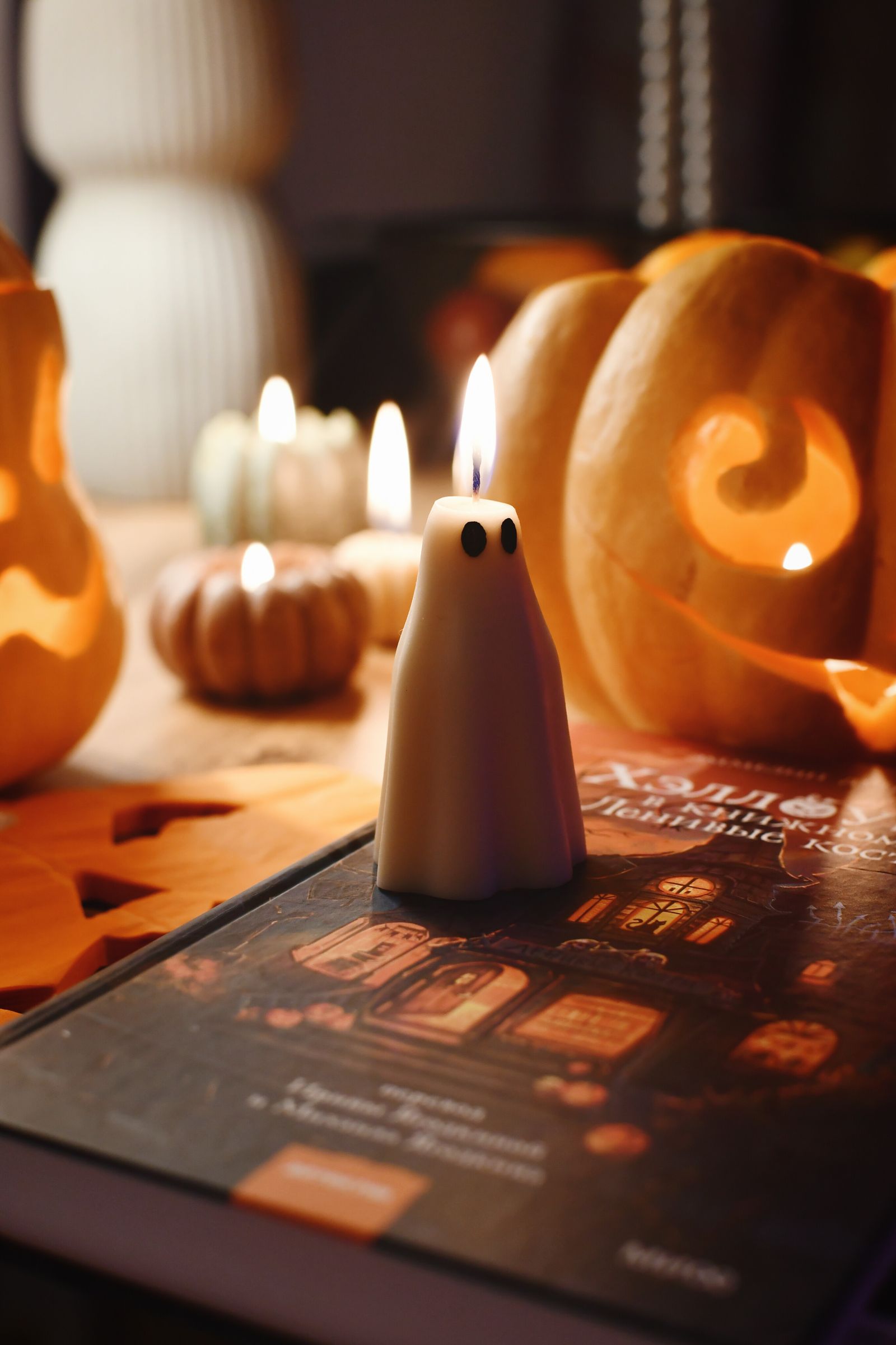
"Halloween candle" covers at least three distinct scent families: pumpkin spice (cinnamon, clove, nutmeg), witchy-amber (cinnamon, sugar, amber, incense) and gothic-library (leather, aged wood, smoke) — not one aesthetic with one smell. Below is a sourced, spec-by-spec comparison of candles across those families, plus links to every American maker on record pouring the same fragrance notes, not just one brand's picks.
Three scent families, not one aesthetic
“Halloween candle” gets used as a catch-all, but the products sold under it split fairly cleanly into three fragrance families:
- Pumpkin spice — cinnamon, clove, nutmeg, ginger, often with a caramel or dessert note. The largest family by volume, and the one that overlaps most with plain autumn candles.
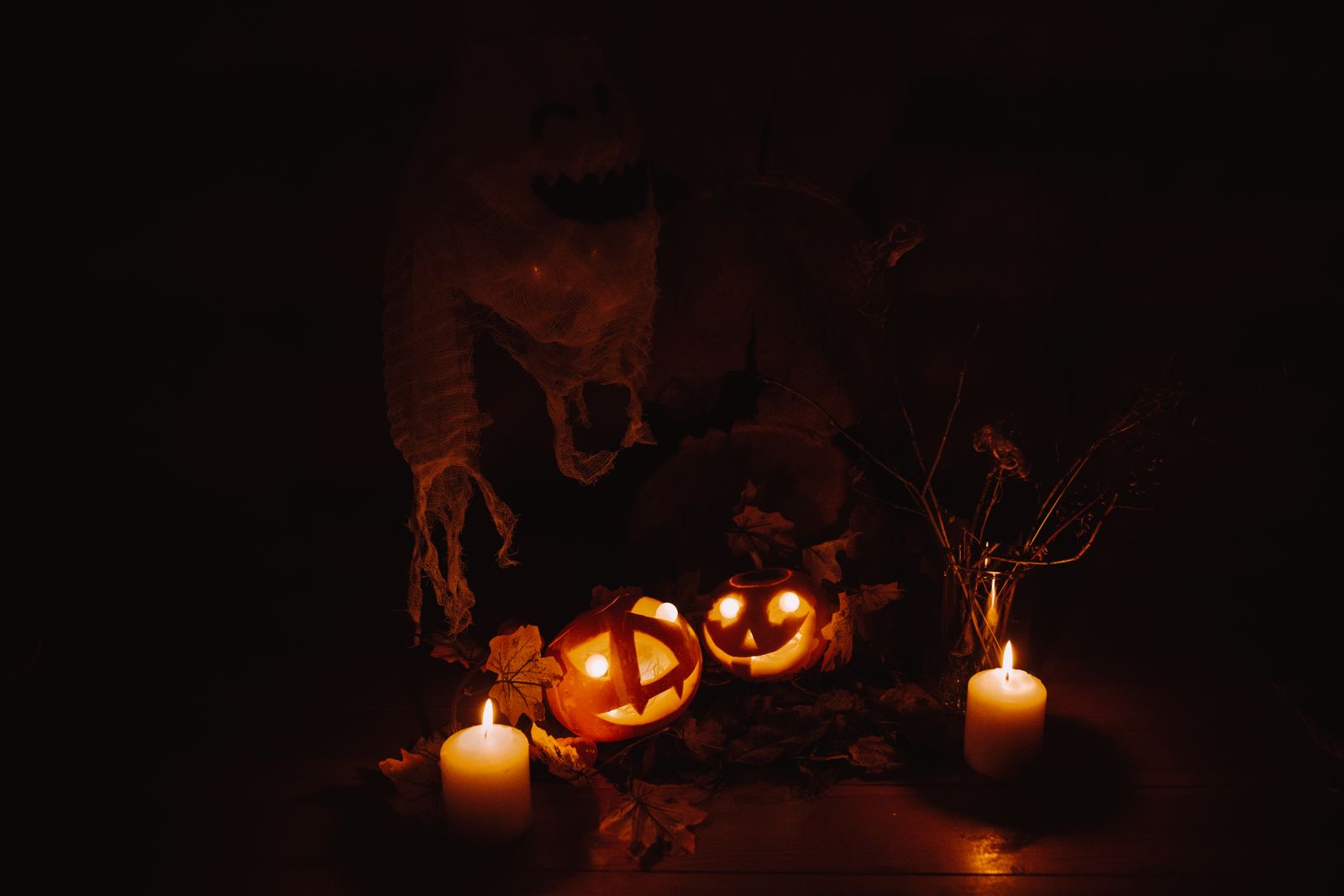
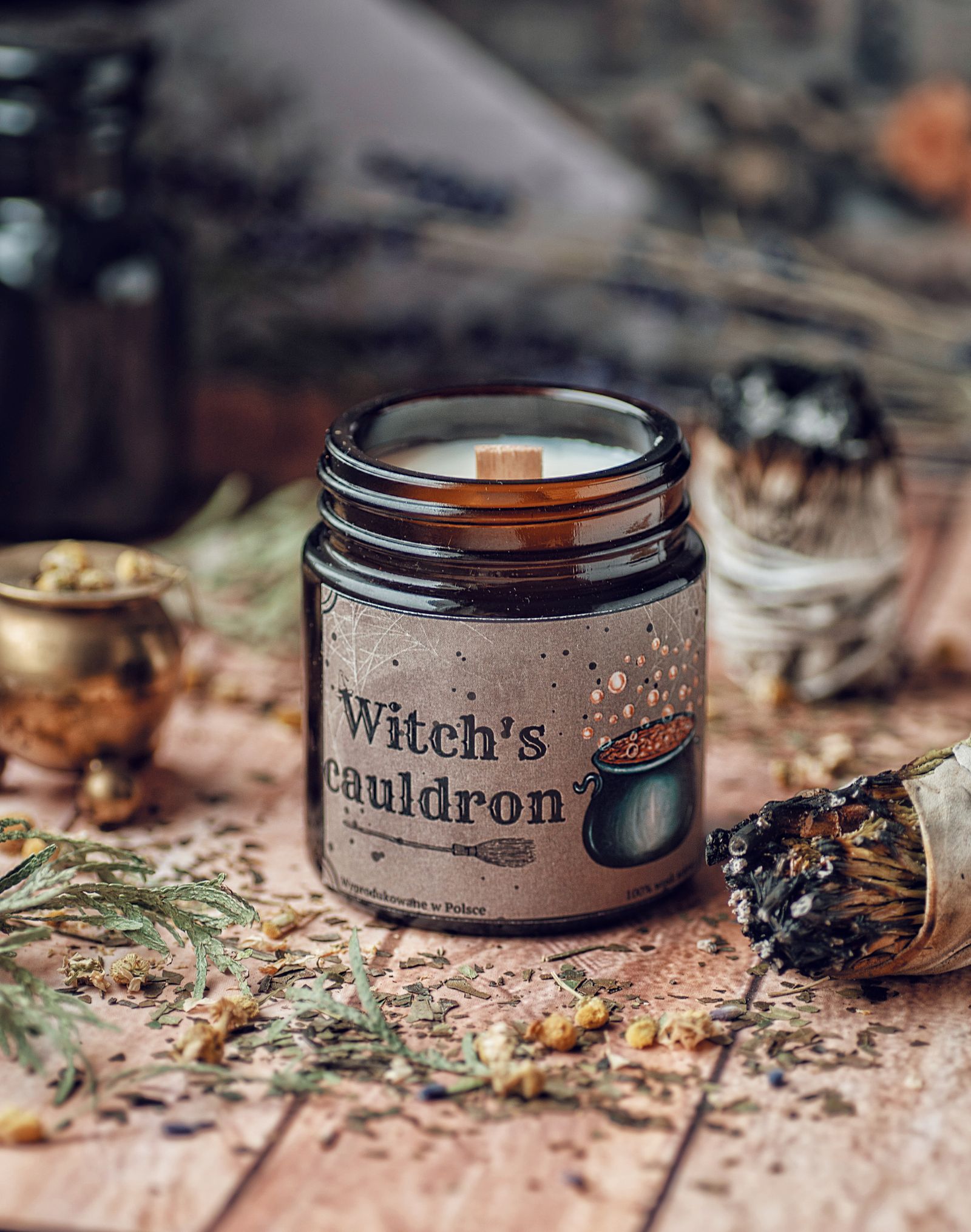
- Witchy amber — cinnamon, sugar and amber built into a warm, slightly sweet base, sometimes with incense. Named around witches, cauldrons and “witching hour” rather than food.
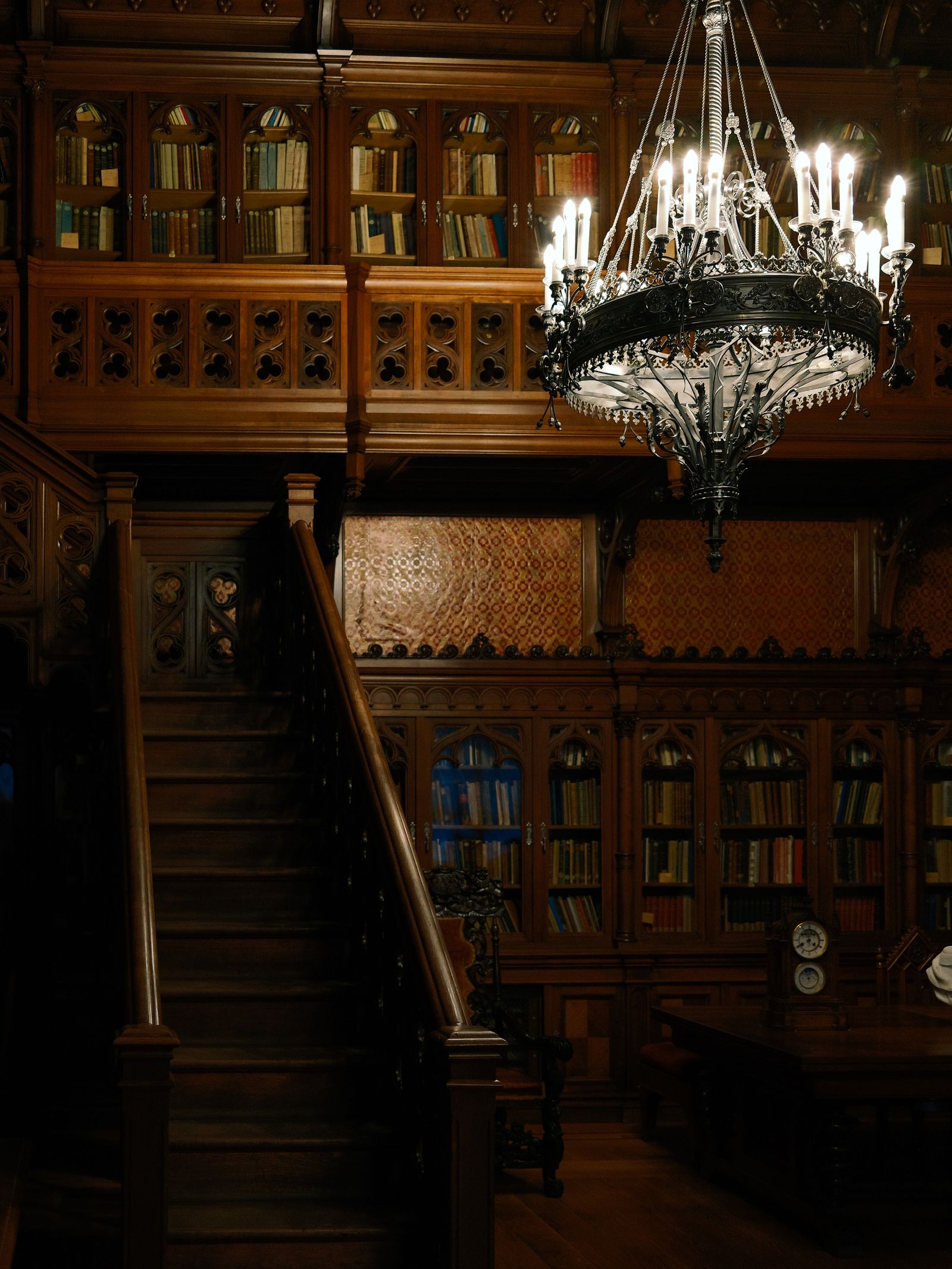
- Gothic / haunted library — leather, aged wood, dry smoke, myrrh. Overlaps with the bookish and dark-academia aesthetic more than with standard fall scents, and is the family this directory already tracks closely through its bookish-candle makers.
A maker’s catalogue usually sits mostly in one family with a few crossover scents, which is the more useful way to shop this category than by name alone.
The chemistry behind “pumpkin spice”
There’s no such thing as a pumpkin compound in fragrance oil, which is why the FAQ above notes the note is built rather than extracted. Pumpkin-spice fragrance chemistry is a layered blend of three named-spice compounds: cinnamaldehyde, which fragrance-chemistry references describe as the sharp, volatile top note behind cinnamon; eugenol, clove’s warm, spicy mid-note that sustains the blend’s fullness; and myristicin, nutmeg’s deeper base compound that anchors the scent’s longevity. Ginger and caramel or “toasted” notes are usually layered on top of that three-compound base rather than replacing any part of it — which is also why a “pumpkin spice latte” candle and a plain “cinnamon-clove-nutmeg” candle can smell nearly identical underneath different names.
Where gothic-library crosses into the bookish shelf
The leather, aged-wood and dry-smoke notes in the gothic-library family above aren’t Halloween-exclusive — they’re the same profile behind the classic old-bookshop family covered in this directory’s bookish candles guide, which also explains the vanillin and benzaldehyde chemistry behind why aged paper smells the way it does in this directory’s deep dive on old book smell chemistry. It’s also the same accord covered from a different angle in this directory’s dark academia scent guide, which gets into the isobutyl-quinoline chemistry behind the leather note itself. Haunted Bookstore and Haunted Library, both compared below, are filed by their maker as bookish-first scents that happen to carry Halloween branding, not the other way around.
Sourced comparison: seven candles across the three families
All seven candles below are from Aarka Origins, a Concord, North Carolina maker already on record in this directory (see the full company record for sourcing, certifications and its wider 280+-scent catalogue). They’re shown together here because they cleanly illustrate all three fragrance families side by side with matching format, burn time and price — not because this directory is Aarka-exclusive. The “Shop by fragrance family” links below lead to every other American maker on record pouring the same notes.
| Candle | Family | Scent notes | Wax | Burn time | Price |
|---|---|---|---|---|---|
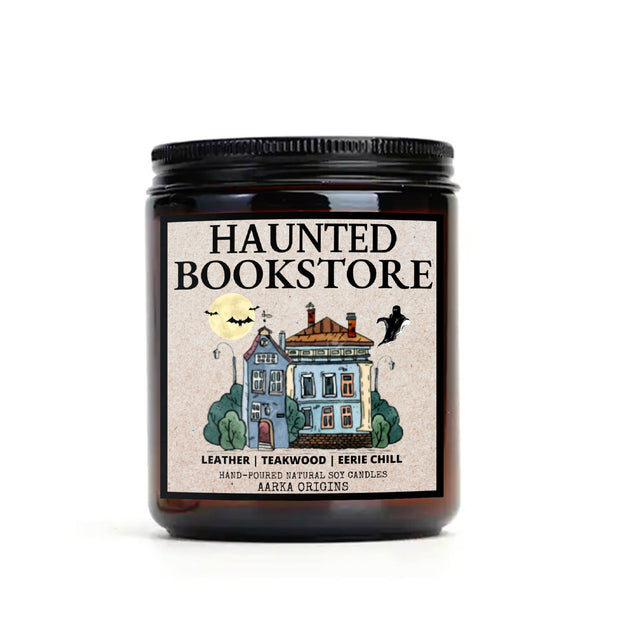 Haunted Bookstore Haunted Bookstore | Gothic / library | Leather, Teakwood | Soy | 45 h | $29.99 |
 Ghoul’s Whispers Ghoul’s Whispers | Gothic / library | Incense Smoke, Myrrh, Dry Wood | Soy | 45 h | $29.99 |
 Haunted Library Haunted Library | Witchy amber | Cinnamon Broom, Aged Woods | Soy | 45 h | $29.99 |
 Witches Brew Witching Hour Witches Brew Witching Hour | Witchy amber | Cinnamon, Sugar, Amber | Soy | 45 h | $29.99 |
 All Hallows Eve All Hallows Eve | Pumpkin spice | Pumpkin Donuts, Sugar, Spice | Soy | 45 h | $29.99 |
 The Three Witches The Three Witches | Pumpkin spice | Pumpkin Spice, Rosemary, Aged Oak | Soy | 45 h | $29.99 |
 Hocus Pocus Witch Hocus Pocus Witch | Pumpkin spice | Toasted Pumpkin, Spice, Caramel | Soy | 45 h | $29.99 |
Full specifications, sourcing and last-verified dates for each of these are on Aarka Origins’ company record, which lists every candle of theirs on file here.
The entry-price tier: wax melts
Every scent above is also sold as an unwicked wax melt starting at $11.99 — the same fragrance oil in a smaller, wickless format meant for an electric or tealight warmer rather than direct burning. It’s the lower-cost way to try a scent family before buying the 8 oz jar, and the usual gift-budget entry point in this category.
Shop by fragrance family
These three families aren’t unique to one brand. The fragrance-family pages below aggregate every American maker on record pouring each note, sourced and verified the same way as everything else in this directory:
- Pumpkin and Pumpkin Spice — the core of the pumpkin-spice family
- Cinnamon and Clove — the spice notes underneath most fall and witchy-amber scents
- Amber — the warm base note in the witchy family
- Cedar and Balsam — the wood notes underneath gothic and forest-leaning Halloween scents
- Vanilla — shows up across all three families as a softening note
Something here look wrong, or know a maker that should be added to one of these fragrance-family pages? Tell us and we’ll correct it.
Makers featured in this guide
Shop by fragrance family
Related states
Frequently asked questions
What scent notes actually make a candle smell like Halloween?
Three families do most of the work: pumpkin spice (cinnamon, clove, nutmeg, ginger), witchy-amber warmth (cinnamon, sugar, amber, sometimes incense), and gothic or "haunted library" notes (leather, aged wood, dry smoke, myrrh). Candles named for the holiday usually lean on one of the three rather than blending all of them.
Are Halloween candles just fall candles with a different label?
There's real overlap — apple, maple and plain cinnamon notes show up in both categories — but the witchy-amber and gothic-library families are more specific to Halloween than to autumn generally. A candle called "pumpkin spice latte" and one called "haunted library" are both fall-adjacent, but only one reads as Halloween on its own.
Is pumpkin-spice candle scent made from real pumpkin?
No. It's a fragrance-oil blend built from cinnamon, clove, nutmeg and vanilla-type notes, with an accord meant to evoke pumpkin rather than an extract of it — the same is true of pumpkin-spice flavoring generally. This directory records fragrance notes as published by the maker, not as lab-verified ingredient lists.
Which American candle makers pour pumpkin-spice, cinnamon or amber scents?
This directory currently records makers including Aarka Origins, Good & Well Supply Co., Antique Candle Co., Ironwood Candle Co., Boy Smells, Otherland, Harlem Candle Company, P.F. Candle Co., Voluspa, Milkhouse Candle Company and Yankee Candle among those listing pumpkin, cinnamon, clove, amber, vanilla or balsam notes. See the fragrance-family pages linked below for the full, current list — it changes as records are added.
What's the difference between a Halloween candle sold as a jar versus a wax melt?
Same fragrance oil, different format: a jar candle has its own wick and burns directly, while a wax melt is unwicked and liquefied in a separate warmer. Melts are typically the lower-priced entry point in a maker's Halloween line for exactly that reason — less wax, no wick, no container.
How far ahead of Halloween should I buy a scented candle for full scent throw?
Fragrance oil "blooms" — becomes more noticeable — over roughly the first one to two weeks after a candle is poured, so buying two to three weeks ahead rather than the night before generally gets a stronger hot throw. This is a general candle-chemistry note, not specific to any one maker.
What's the difference between a 'witchy amber' candle and a gothic or 'haunted library' candle?
Witchy-amber candles build on cinnamon, sugar and amber for a warm, sweet base, often named around witches or cauldrons — Witches Brew Witching Hour and Haunted Library (despite its gothic-sounding name) both fall here. Gothic/haunted-library candles instead lean on leather, aged wood and dry smoke, closer to a bookish or dark-academia profile than a sweet one — Haunted Bookstore and Ghoul's Whispers, both compared above, are examples of that family.
Are Halloween candles more expensive than a maker's regular candles?
Not based on the collection compared above — every jar candle is priced identically at $29.99 regardless of scent family, and the unwicked wax-melt entry point starts at $11.99. Halloween-specific naming or packaging doesn't carry a price premium over the same maker's non-seasonal scents.
How long does a Halloween-scented candle burn?
Each 8 oz jar candle in the comparison above carries a manufacturer-published burn time of 45 hours, per Aarka Origins' own listing. Burn time depends on wax volume and wick count rather than scent, so a Halloween candle burns no differently than any other candle in the same format.
Can I burn a Halloween candle safely around paper decorations or a jack-o'-lantern?
Keep any open flame away from paper decorations, dried corn stalks, costumes or anything flammable, on a stable, heat-resistant surface — the same rule that applies to burning a candle near curtains or a bookshelf. A battery-powered flameless candle is the safer choice for a decorated mantel or the inside of a carved pumpkin specifically.
What wax are most Halloween candles made from?
Soy is the most common wax type across this directory generally — 65 of the 100 brands on record pour it, per [this directory's wax types guide](/guides/candle-wax-types/) — and it's the wax type behind all seven candles compared above. Soot output still depends more on wick size and trim than on wax type alone, per National Candle Association guidance.