Occasion & aesthetic guide · Cottagecore
What Does Cottagecore Smell Like? Honey, Herb and Garden-Floral Notes, Sourced
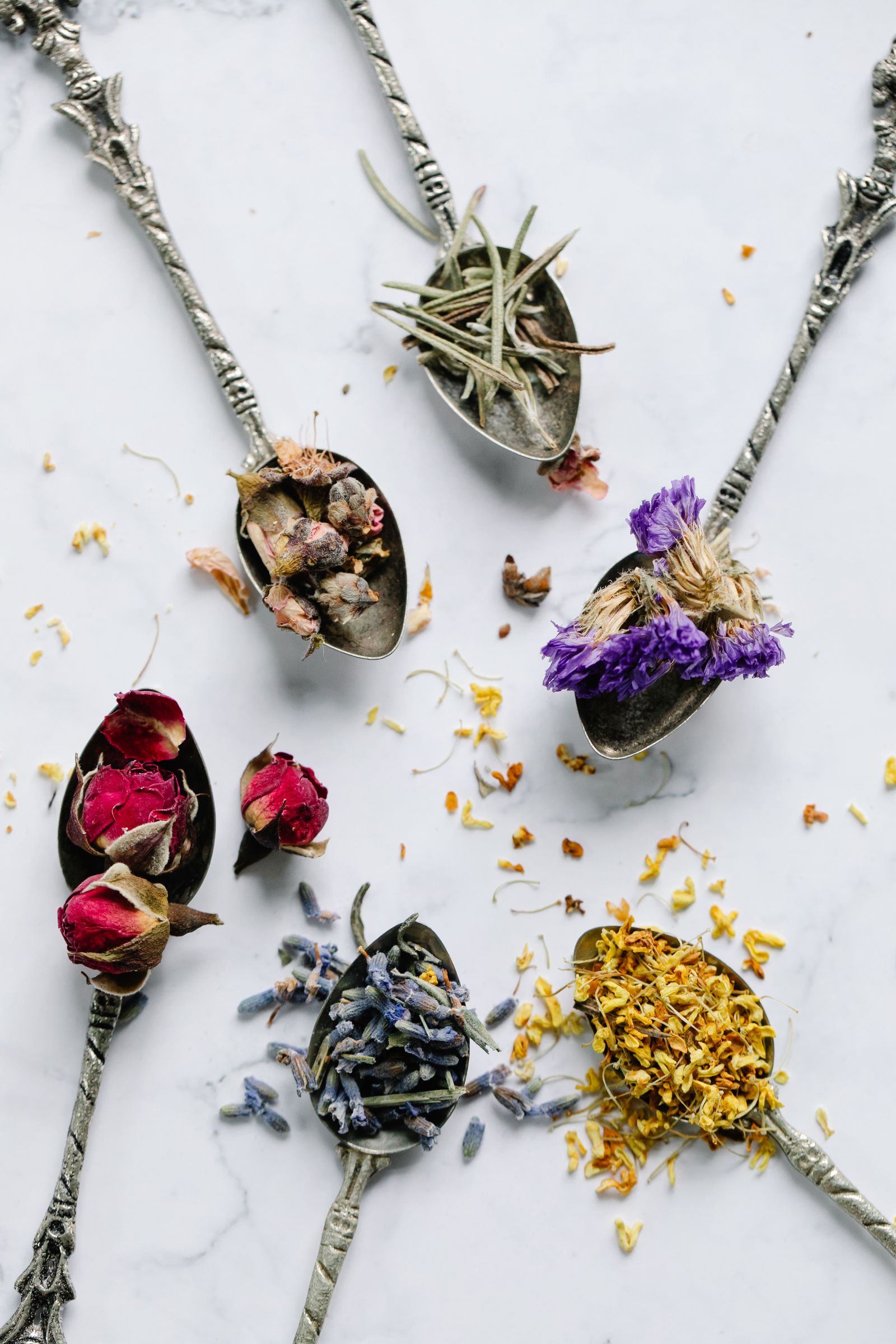
A "cottagecore" candle typically draws on three fragrance families: a garden-floral base (lavender, rose, wildflower), an apiary/honey note built from phenylacetic-acid esters, and a green-herbal top note from compounds like cis-3-hexenol, the same "cut grass" chemical found in fresh-mown lawns. Below is a sourced look at which American makers pour these notes, drawn from across this directory, plus the chemistry behind each one.
Three families, one countryside mood
Cottagecore is a lifestyle aesthetic — gardening, baking, slow rural living — before it’s a fragrance category, and the candles marketed under it draw on notes that support that mood rather than one signature smell. Three families do most of the work: a garden-floral base (lavender, rose, wildflower), an apiary/honey note, and a green-herbal top note (sage, fresh-cut grass, damp earth). A softer bakery layer — vanilla, apple, cinnamon — often sits on top of any of the three, since the aesthetic pairs gardening with home baking as much as with flowers on their own.
The honey note nobody extracts from a hive
Honey’s aroma is difficult to capture directly for fragrance use at any scale, so the “honey” in a cottagecore candle is almost always built rather than harvested. Fragrance-chemistry references point to phenylacetic acid and its esters — methyl phenylacetate and ethyl phenylacetate among them — as the workhorse compounds: at the low concentrations used in a fragrance oil they read as sweet, waxy and distinctly honeyed, though the same acid at higher concentrations turns sour and almost animalic, which is part of why honey notes are usually blended rather than used at full strength on their own. Ironwood Candle Co.’s Honey & Clove and Milkhouse Candle Company’s Sweet Cream & Honey, both noted below, are two directory examples built on this chemistry.
Why some of these candles smell like a freshly mown lawn
The bright, green top note that shows up in herbal cottagecore candles usually traces to cis-3-hexenol, sometimes called “leaf alcohol” — the same compound plants release when their leaves are damaged or cut, which is why its natural analog is the smell of a lawn right after mowing. Perfumery references describe it as one of the strongest green top notes available, commonly layered under floral, herbal or citrus accords to add freshness without changing the base scent underneath. Ironwood Candle Co.’s Sage note and the “forest moss” and “sage” entries in several other makers’ catalogues below lean on this same green chemistry.
The floral base is the one with real relaxation research behind it
Lavender is the garden-floral family’s anchor note, and it’s also the one scent in this general territory with genuine clinical research behind its calming reputation — see the linalool and relaxation research covered in this directory’s spring & summer candles guide for the specific studies. Rose and wildflower notes in the same family lean on related but less-studied compounds like geraniol and citronellol, common floral aroma chemicals with less clinical backing than lavender’s linalool specifically.
Which American makers pour these notes
The table below draws from across this directory rather than any single brand’s catalogue — each row is one company with garden-floral, honey or herbal notes on record, not a ranked list:
| Maker | State | Relevant notes on record | Signature scent using them |
|---|---|---|---|
| Milkhouse Candle Company | Iowa | Vanilla, Lavender, Honey | Sweet Cream & Honey |
| Ironwood Candle Co. | Iowa | Honey, Clove, Sage, Forest Moss | Honey & Clove |
| Antique Candle Co. | Indiana | Vanilla, Apple, Cinnamon, Lavender | Grandma’s Kitchen |
| Brooklyn Candle Studio | New York | Lavender, Fig | Fig |
| Yankee Candle | Massachusetts | Lavender, Balsam, Apple | MidSummer’s Night |
| Aarka Origins | North Carolina | Elderberries, Pear, Cinnamon, Nectar | Cottage Witch |
Full sourcing, founding details and wider catalogues for each of these are on their individual company records linked above.
Shop by fragrance family
These notes aren’t unique to any one maker. The fragrance-family pages below aggregate every American company on record pouring each one, sourced and verified the same way as everything else in this directory:
- Lavender and Honey — the core garden-floral and apiary anchors
- Sage and Forest Moss — the green-herbal family
- Apple, Cinnamon and Vanilla — the bakery layer that often sits on top, shared with this directory’s fall candle guide
Something here look wrong, or know a maker pouring these notes that should be added? Tell us and we’ll correct it.
Makers featured in this guide
Shop by fragrance family
Related states
Frequently asked questions
What scent notes actually define "cottagecore"?
Three families cover most of it: garden florals (lavender, rose, wildflower), honey and apiary notes, and green-herbal notes (sage, fresh-cut grass, damp earth). A softer bakery note — vanilla, apple, cinnamon — often layers on top, since the aesthetic pairs gardening with home baking.
Is cottagecore the same aesthetic as farmhouse or hygge?
They overlap but aren't identical. Cottagecore leans specifically on garden, herb and honey imagery — an English-countryside cottage rather than a farm building — while farmhouse candles lean more on baking and homestead notes, and hygge/Scandinavian minimalism leans toward cleaner, less floral scents. A single "cozy countryside" candle line can blend all three without being purely any one of them.
What gives a candle its "honey" smell?
Real honey's own aroma compounds are difficult to extract for fragrance use at scale, so most honey notes in candles are built from phenylacetic acid and its esters (methyl and ethyl phenylacetate) — synthetic compounds that read as sweet, waxy and honeyed at the low concentrations used in fragrance, though the same acid smells sour and almost animalic at higher concentrations.
Why do some cottagecore candles smell like fresh-cut grass?
That green, leafy top note usually comes from cis-3-hexenol, sometimes called "leaf alcohol" — a compound naturally released by damaged plant leaves and reproduced synthetically for fragrance, prized as one of the strongest green top notes available and commonly layered under floral or herbal accords for brightness.
Which American candle makers pour lavender, honey or herbal scents?
This directory records several with these notes on file, including Milkhouse Candle Company, Antique Candle Co., Ironwood Candle Co., Brooklyn Candle Studio and Yankee Candle. See the comparison and fragrance-family links below for sourcing on each; this list grows as more brand records are added.