Candle science & craft
Candle Wax Types Compared: Soy, Coconut, Beeswax, Paraffin and Rapeseed
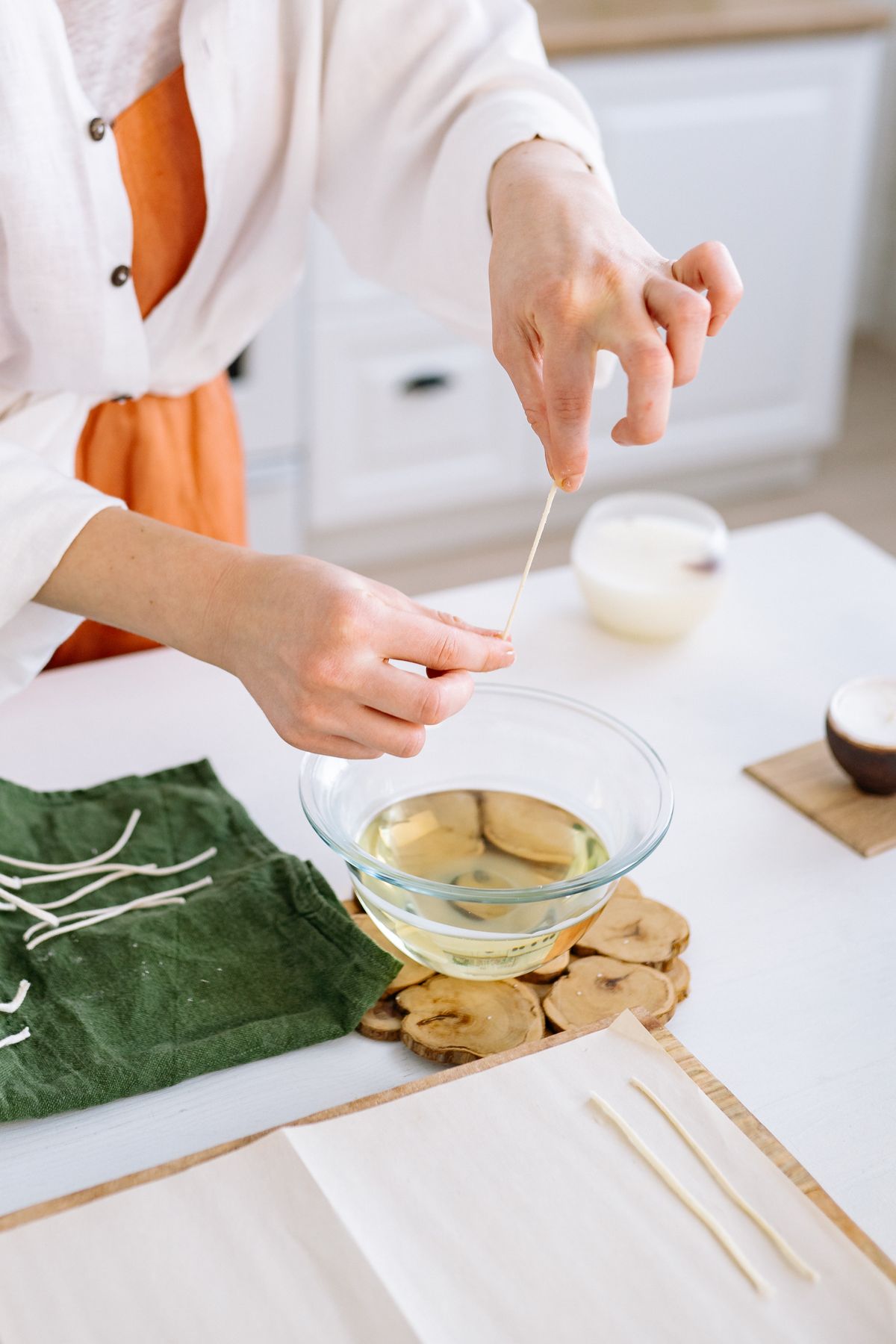
Soy, coconut, beeswax, paraffin and rapeseed wax differ mainly in three measurable ways: fragrance-load capacity (how much scent oil the wax can carry), melting point, and burn time. Paraffin holds the most fragrance oil (10-12%) and burns fastest per ounce; beeswax holds the least (3-5%) but burns longest and cleanest, per one industry wax-performance comparison. Of the 100 American candle brands on record in this directory, 65 list soy as a wax type, 44 a blend, 13 paraffin, 13 beeswax and 12 coconut — rapeseed appears in none of them yet. Below is a sourced, spec-by-spec comparison of all five, plus which of this directory's makers pour each one.
Five waxes, one comparison table
“Candle wax” isn’t one material — it’s five different feedstocks (four plant- or animal-derived, one petroleum-derived) with genuinely different melting points, fragrance-holding capacity and burn characteristics. The table below combines figures from an industry wax-performance comparison (paraffin, soy, coconut, beeswax) with a European wax supplier’s published specs (rapeseed), covering an 8 oz candle at comparable fragrance load:
| Wax type | Primary source | Melting point | Fragrance load | Burn time (8 oz) | Soot (relative) |
|---|---|---|---|---|---|
| Paraffin | Petroleum byproduct | 115-154°F (46-68°C) | 10-12% | 30-35 hrs | Highest of the five |
| Soy | Hydrogenated soybean oil | ~130°F (54°C), up to 150°F for high-melt blends | 6-10% | 45-50 hrs | ~70-80% less than paraffin |
| Coconut | Hydrogenated coconut oil | ~100-107°F (38-42°C) refined | 8-11% | 40-45 hrs | Low |
| Beeswax | Honeybee secretion | ~145°F (63°C) | 3-5% | 50-55 hrs | Lowest of the five |
| Rapeseed (colza) | Hydrogenated rapeseed/canola oil | 126-133°F (52-56°C) container grade | Not separately quantified in sourcing | Not separately quantified in sourcing | Described as “virtually soot-free” by supplier |
Fragrance load, burn time and soot figures for the first four rows come from a single industry wax-performance comparison, so treat them as one consistent dataset rather than four independent lab results. The National Candle Association’s own position, discussed further below, is that wick care matters more than wax choice for soot specifically — both can be true at once.
Soy wax
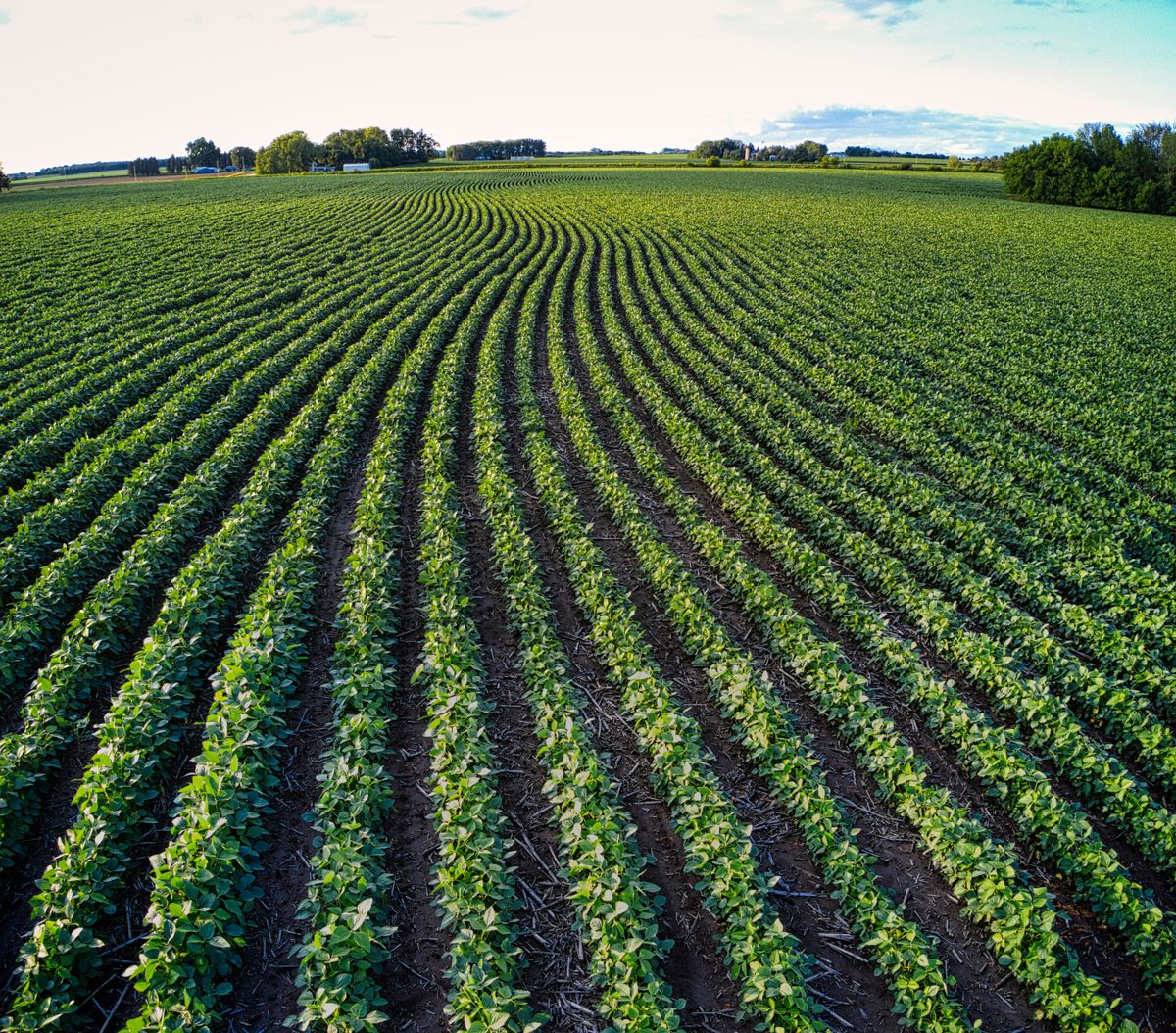
Soy wax is made by hydrogenating soybean oil, which converts some of its unsaturated fatty acids to a saturated, solid form. It melts around 130°F (54°C) at standard grade, holds 6-10% fragrance oil, and is the wax type most represented in this directory: 65 of 100 brands on record list soy among their wax types, more than any other type here. Soy’s known weak point is “memory” — a candle that tunnels on an early burn tends to keep tunneling on later burns, because the wax doesn’t fully re-melt to the container edge.
Coconut wax
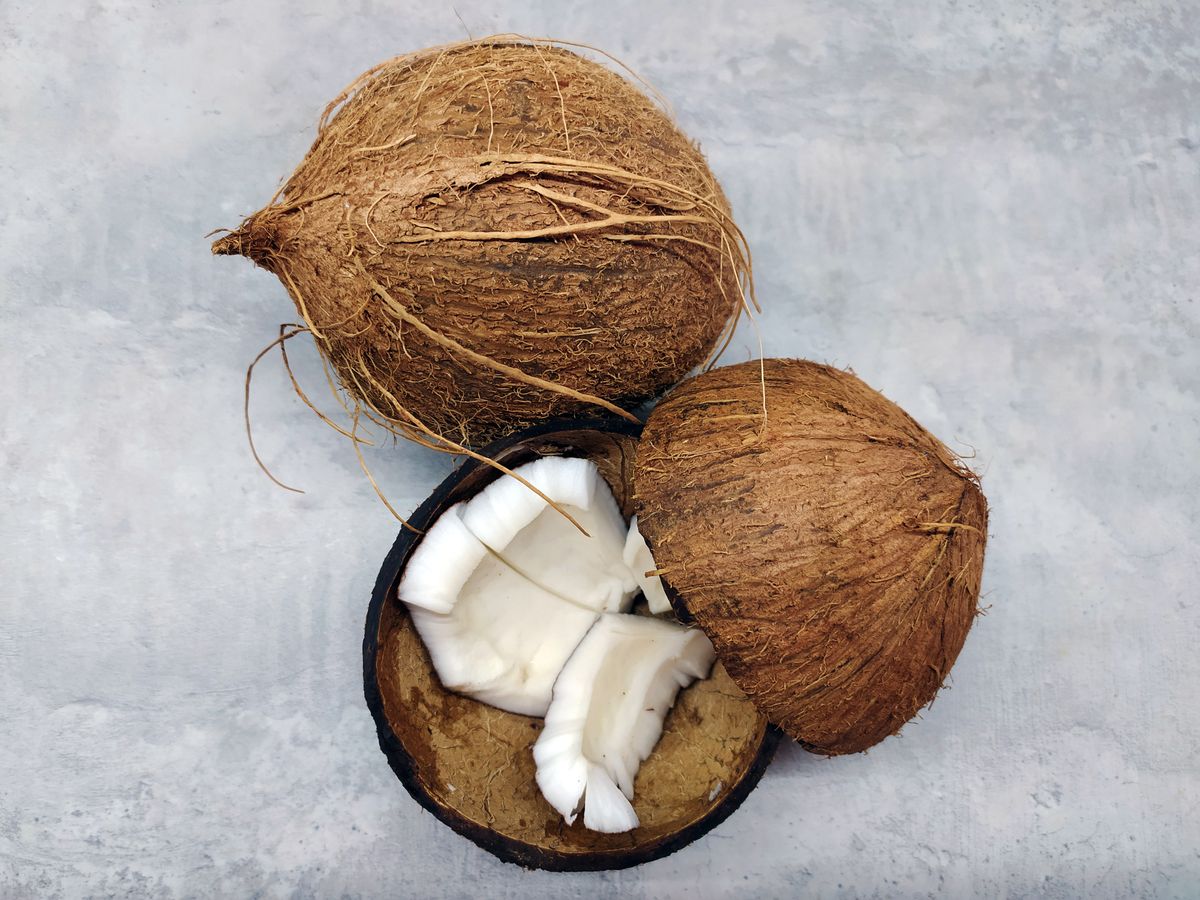
Coconut wax comes from hydrogenated coconut oil and has the lowest melting point of the five, around 100-107°F refined. That low melt gives it a smoother, creamier texture and strong fragrance-holding ability, but pure coconut wax is often too soft to hold its shape as a freestanding pillar, which is why most “coconut wax” candles on the market are coconut-soy or coconut-beeswax blends rather than 100% coconut. 12 of the 100 brands in this directory list coconut as a wax type — among them Bluecorn Candles, a Colorado maker whose vegan “Aromatica” line uses coconut wax alongside a separate pure-beeswax line, and Boy Smells, a Los Angeles fragrance house pouring a coconut-and-beeswax blend.
Beeswax
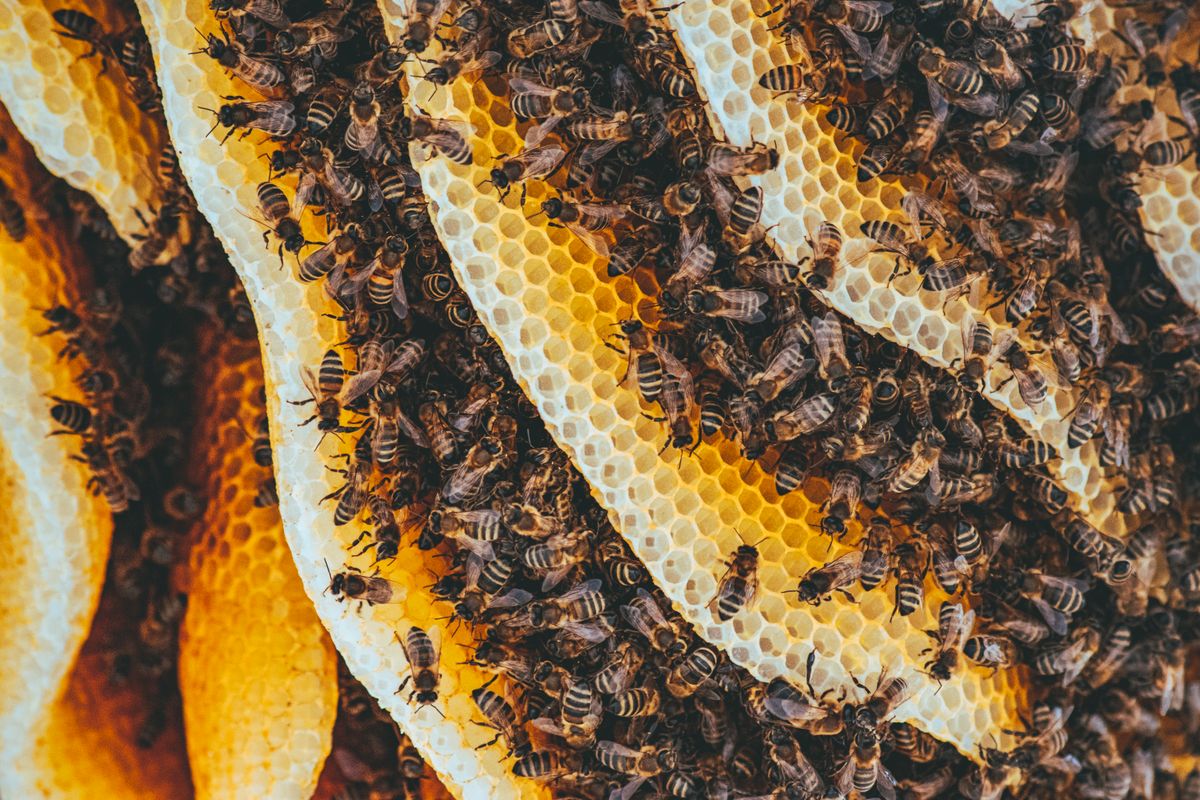
Beeswax has the highest melting point of the five common waxes, around 145°F (63°C), which is also its main practical drawback: Utah State University’s beekeeping extension program notes that beeswax’s high melt point “creates a risk of having a weak flame and a drowned wick” if a candle isn’t wicked correctly, and that beeswax candles need slow cooling during manufacture to avoid cracking. In exchange, it holds the least fragrance oil of any wax on this list (3-5%) but produces the least soot and, per the same industry comparison used above, the longest burn time per ounce. 13 of the 100 brands in this directory list beeswax, including Bee Hive Candles, a Washington maker pouring 100% pure beeswax sourced from U.S. hives.
Paraffin
Paraffin is a petroleum byproduct and the oldest of the modern candle waxes, refined into a solid at melting points ranging from 115-154°F depending on grade. It holds the most fragrance oil of any wax type (10-12% by the same industry comparison), which is part of why it remains common in scent-forward candles despite soy and coconut’s rise in the U.S. market. The National Candle Association states plainly that “all types of quality candle waxes have been shown to burn cleanly, safely and in the same manner” — its position is that wick size and trim, not wax type, explain most soot differences a consumer will actually notice. 13 of the 100 brands here list paraffin, always alongside another wax type rather than alone; Candle-Lite Company, an Ohio manufacturer making candles since 1840, currently sells a paraffin-soy blend line alongside separate all-soy and natural-blend collections.
Rapeseed (colza) wax
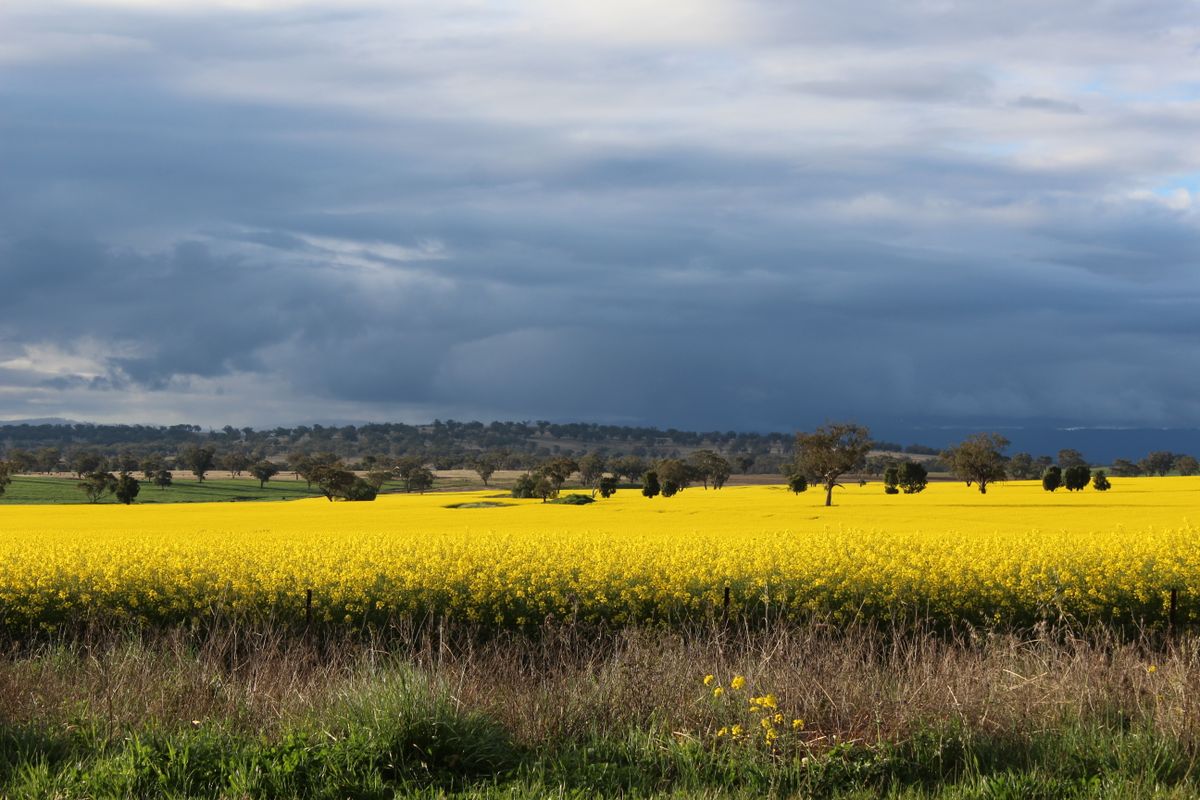
Rapeseed wax — also called colza wax — is hydrogenated rapeseed (canola) oil, produced mainly in Europe, with a published melting point around 52-56°C (126-133°F) for container-candle grade and 57-61°C for pillar/mold grade. A French wax supplier describes it as giving “a slow, clean and virtually soot-free burn” with good fragrance retention, though it’s considered more technical to pour than soy. It’s the one wax type on this comparison that none of the 100 American brands in this directory currently list — worth watching as plant-based-wax demand grows, but for now it’s a far more established choice in European candle-making than American.
The beeswax “air purifying” myth, checked
One claim shows up often enough in beeswax candle marketing to be worth checking directly: that burning a beeswax candle releases negative ions that clean the air. It doesn’t hold up. Delphine Farmer, a professor of atmospheric chemistry at Colorado State University, has stated there is “no evidence in the scientific literature that beeswax candles release negative ions,” and separately that burning any candle — beeswax included — makes it “an air pollution source,” not an air purifier, since combustion itself produces fine particles regardless of wax type. The claim appears to originate in marketing copy rather than any controlled measurement of beeswax combustion specifically. Beeswax’s genuine, sourced advantages — a long burn time and low soot relative to paraffin — don’t need an unproven air-quality claim stacked on top of them.
Does wax type actually change how much soot a candle produces?
Two things that sound contradictory are both accurate here. The National Candle Association’s official position is that soot comes mainly from candle care — an oversized or untrimmed wick, or a drafty room — not from which wax a candle is made of, and that all quality waxes “burn cleanly, safely and in the same manner” when properly maintained. Separately, controlled burn-testing in the industry comparison used throughout this page still measured meaningfully lower average soot from soy, coconut and beeswax than from paraffin at similar fragrance loads. The likely reconciliation: wick care is the dominant variable a candle owner controls burn to burn, while wax type sets a secondary baseline — trim your wick to ¼ inch regardless of which of these five you’re burning.
Shop by wax type
The full breakdown by count, across all 100 brands on record:
| Wax type | Brands | Share |
|---|---|---|
| Soy | 65 | 65% |
| Blend | 44 | 44% |
| Paraffin | 13 | 13% |
| Beeswax | 13 | 13% |
| Coconut | 12 | 12% |
| Rapeseed | 0 | 0% |
(Percentages don’t sum to 100 — brands pouring more than one wax type, such as a maker offering both a soy line and a beeswax line, are counted in each column that applies.) Browse the full company directory, sortable by wax type, state and price range, or see individual state pages for Washington, California, Ohio and Colorado — home to the four makers named above.
Something here look wrong, or know a maker pouring rapeseed wax that should be added? Tell us and we’ll correct it.
Shop by fragrance family
Related states
Frequently asked questions
What's the difference between soy wax and paraffin wax candles?
Paraffin, a petroleum byproduct, holds more fragrance oil (roughly 10-12% by one industry comparison) and burns hotter and faster than soy, a hydrogenated soybean-oil wax that holds about 6-10% fragrance but burns cooler, slower and with an estimated 70-80% less soot in that same comparison. Soot depends heavily on wick size and trim in both cases, per the National Candle Association.
Is coconut wax better than soy wax?
Neither wax outperforms the other outright — coconut wax holds fragrance oil more readily and produces a smoother, more even melt pool, while soy wax is cheaper and structurally firmer, which is why many "coconut wax" candles are actually coconut-soy blends rather than pure coconut wax. Pure coconut wax alone is often too soft for freestanding pillars.
Do beeswax candles really purify the air?
No credible peer-reviewed study supports that claim. Delphine Farmer, a professor of atmospheric chemistry at Colorado State University, has stated there is no evidence in the scientific literature that beeswax candles release air-purifying negative ions — the claim traces to marketing language, not lab measurement.
What is rapeseed (colza) candle wax?
Rapeseed wax is a plant-based wax hydrogenated from rapeseed (canola) oil, mostly produced in Europe, with a melting point of about 52-56°C (126-133°F) for container candles and a reputation for a slow, low-soot burn. It's a common soy alternative in European candle-making but doesn't yet appear as a listed wax type on any of the 100 American brands in this directory.
Which wax type burns the longest?
Beeswax, in most side-by-side comparisons: one industry test found a beeswax candle burning roughly 50-55 hours per 8 oz versus 45-50 hours for soy, 40-45 for coconut and 30-35 for paraffin, largely because beeswax's higher melting point slows fuel consumption. Actual burn time on any given candle still depends on wick size, vessel width and how long each burn session runs.
Does wax type actually affect how much soot a candle produces?
It's a secondary factor. The National Candle Association's position is that all quality candle waxes burn cleanly when properly wicked and trimmed, and that wick size, trim length and draft explain most soot differences — not wax choice. Separately, industry burn-testing has still measured lower average soot output from soy, coconut and beeswax than from paraffin at comparable fragrance loads; both things can be true at once.