FAQ & comparisons
Candle FAQ: Wax, Wicks, Burn Time and Safety, Answered With Sources
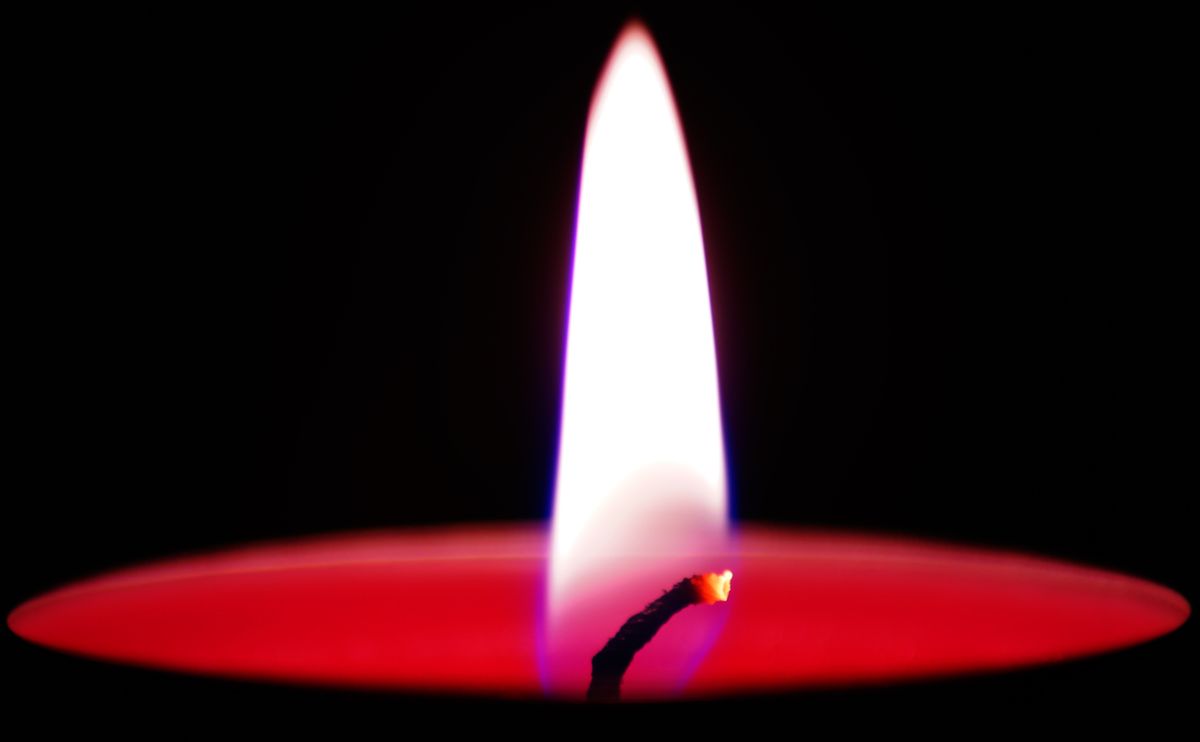
Most candle problems (soot, tunneling, weak scent throw) trace back to wick size and trim rather than wax type or brand. This page answers the 22 questions candle buyers and makers ask most, each sourced rather than guessed, with no ratings or brand rankings involved.
Wax types compared
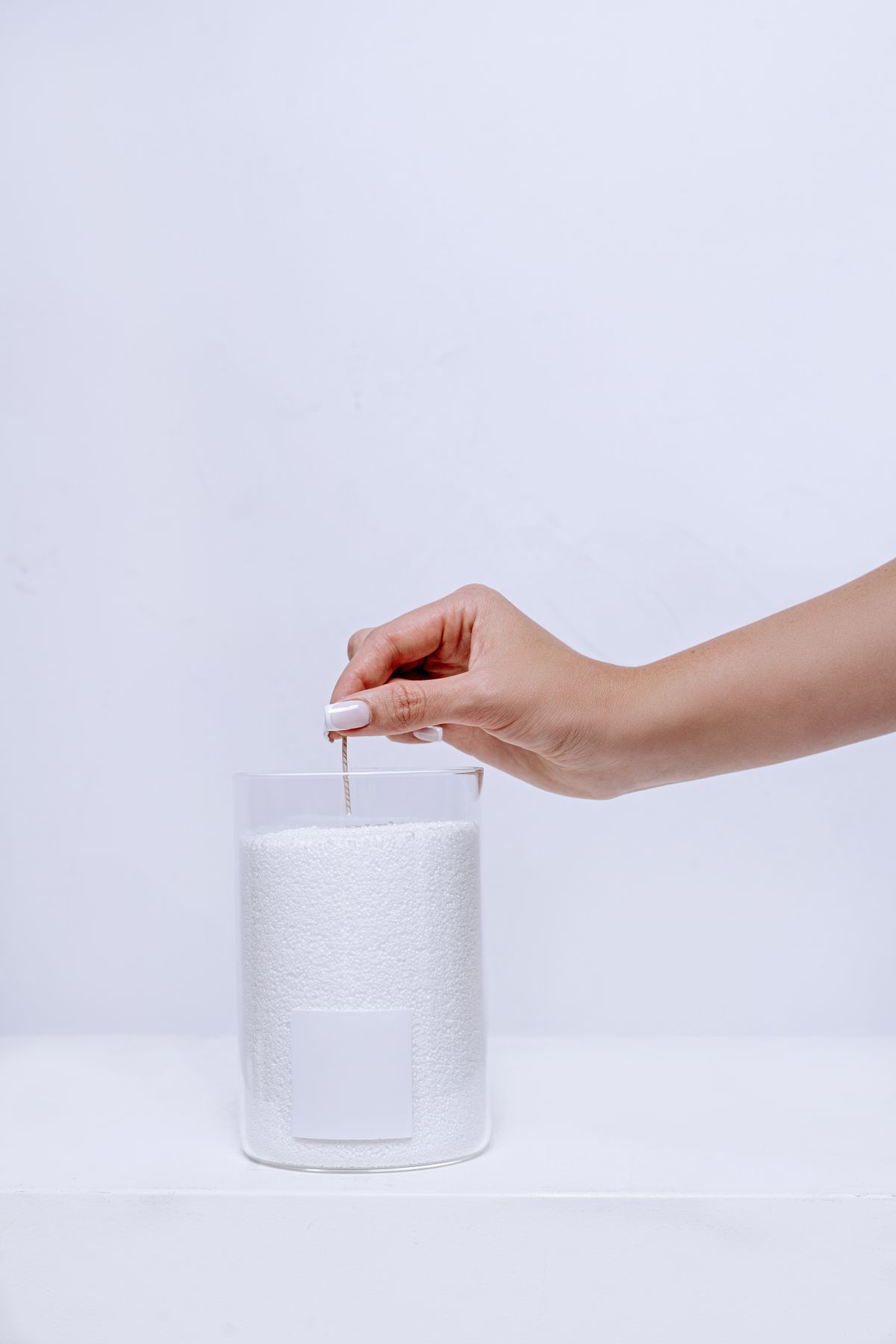
Figures below are commonly cited approximate ranges, not values tested by this site. Actual melting point varies by specific blend and additive formulation even within one wax category.
| Wax | Feedstock | Typical melt point | Burn character | Presence in this directory |
|---|---|---|---|---|
| Soy | Hydrogenated soybean oil | ~120°F (49°C) | Slower, cooler burn; strong fragrance retention | Most common wax among makers on record — see soy wax makers |
| Coconut | Hydrogenated coconut oil | ~90–100°F (32–38°C) | Very soft; often blended with soy for structure | Smaller share, growing among newer makers |
| Beeswax | Refined beeswax | ~145–150°F (63–66°C) | Longest burn per ounce; faint natural honey note | Recorded among a handful of specialty makers |
| Paraffin | Petroleum byproduct | ~120–150°F (49–66°C), grade-dependent | Strong fragrance throw; the historical mass-market default | Present in some larger legacy brands |
| Rapeseed | Rapeseed (canola) oil | ~120°F (49°C) | Similar profile to soy | Rare among US makers on record |
Every brand in this directory lists its wax type on its own company record, and the scents index shows which fragrance families each one pours.
Wick trim, soot and melt pool, illustrated
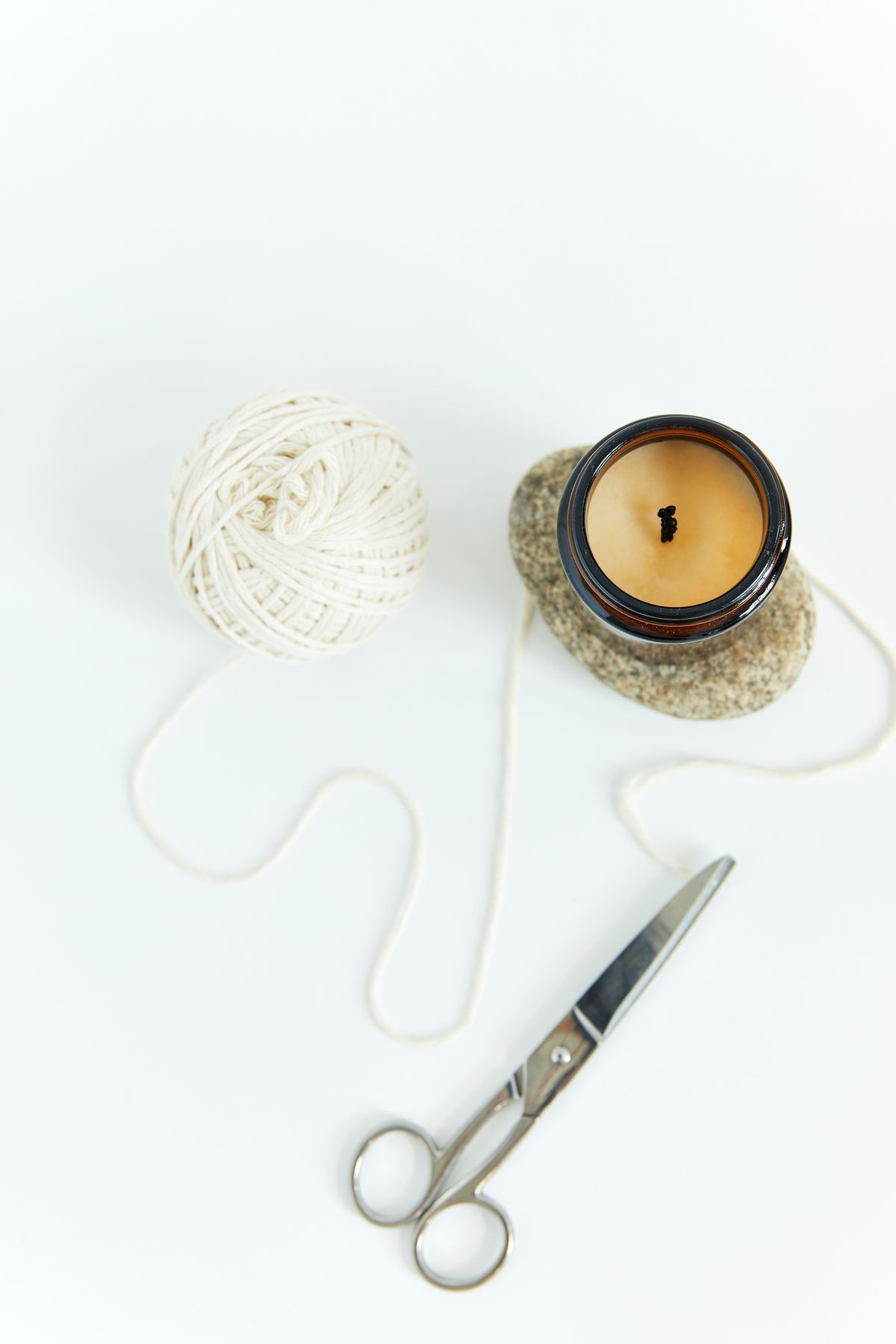
The 1/4-inch wick trim referenced above is a physical, checkable measurement, not a guideline that needs guessing — most candle-supply wick trimmers are sized to leave roughly that length automatically.
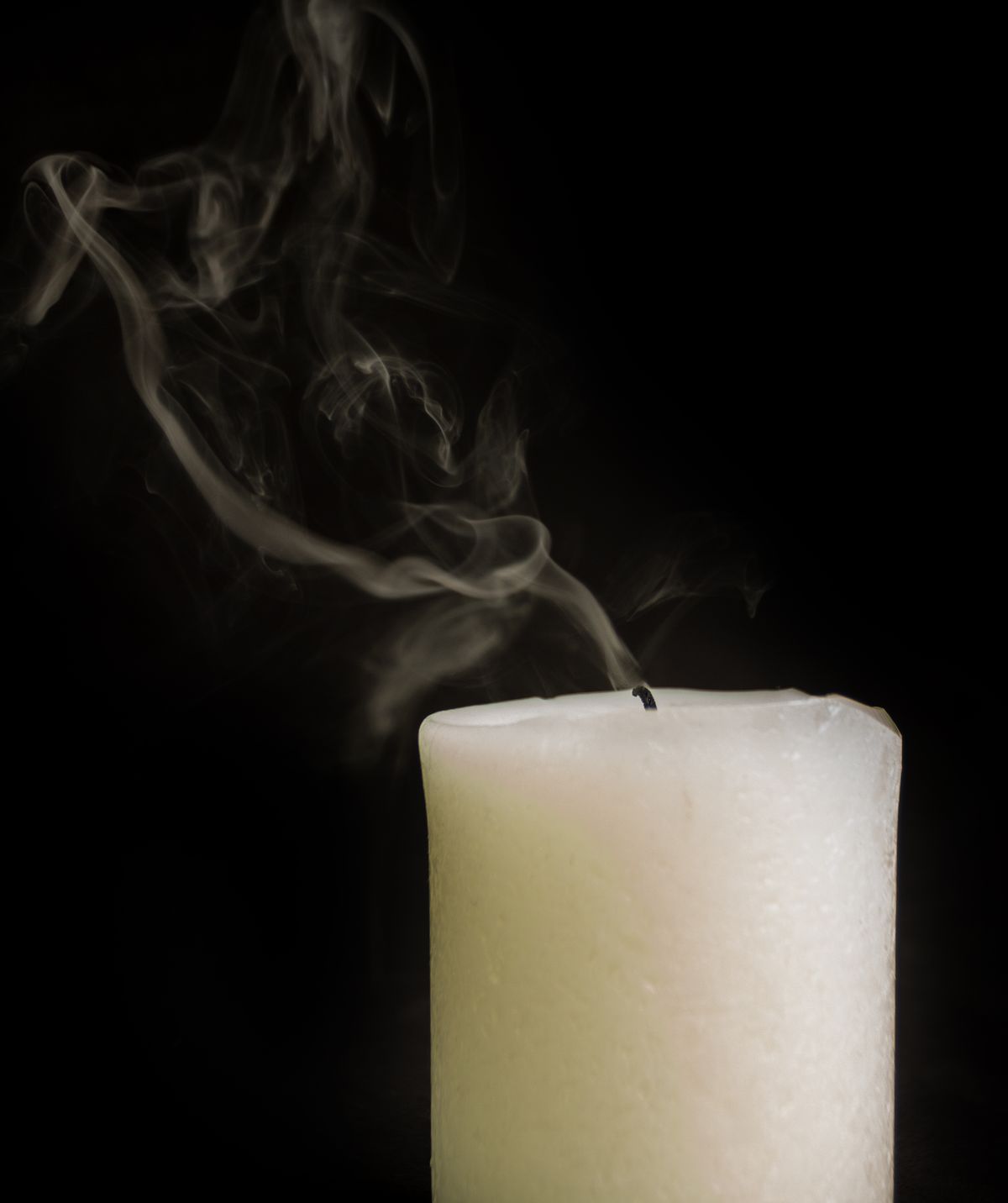
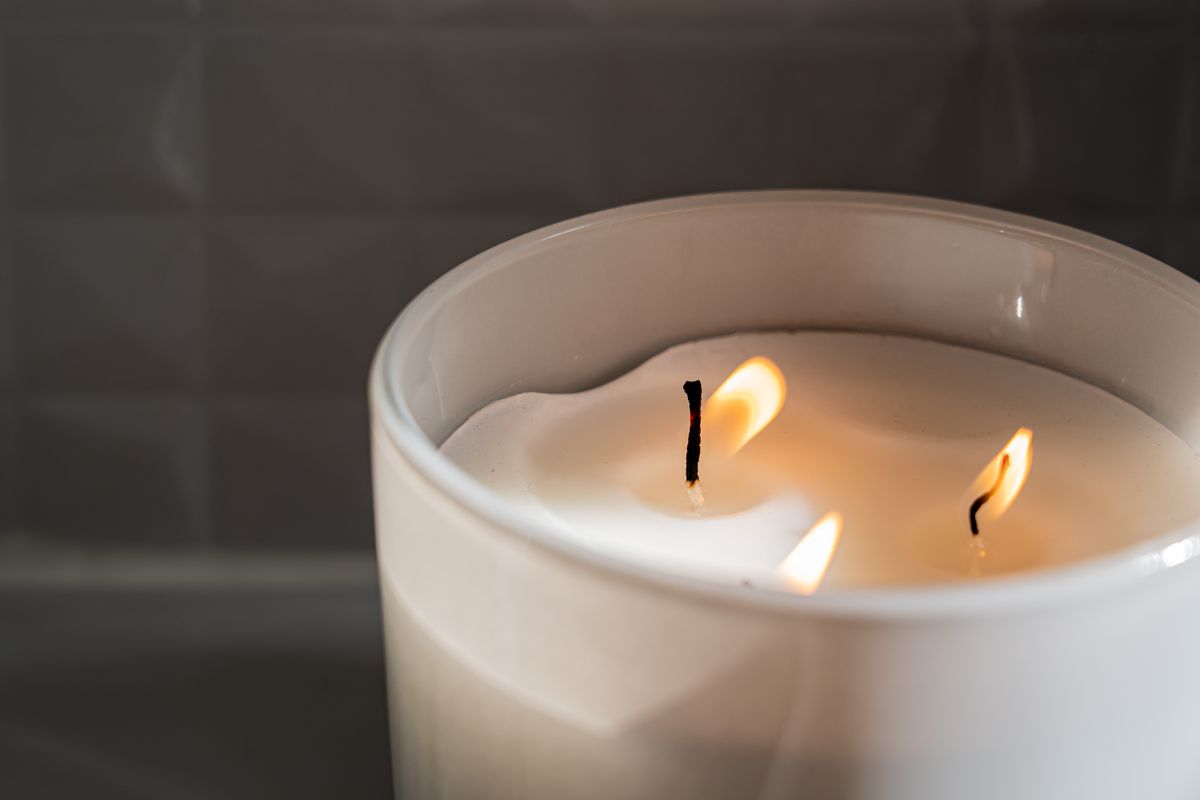
A full melt pool — wax melted edge to edge, as pictured above on a three-wick candle — is the visual check referenced in the tunneling and wick-count answers above: if the pool hasn’t reached the glass on an early burn, that ring becomes the tunnel on every burn after it.
A note on what this page is not
This is a reference page, not a review. It states how wax and wicks behave in general and cites the source for any specific figure. It does not rate any candle, brand or wax type against another — for that, see any individual company record, which lists only sourced specifications.
Something here look wrong or out of date? Tell us and we’ll correct it.
Frequently asked questions
What's the difference between soy wax and paraffin wax candles?
Soy wax is made from hydrogenated soybean oil and burns slightly cooler and longer per ounce than paraffin, a petroleum byproduct. Paraffin typically holds a higher fragrance-oil load and throws scent more strongly; soot output depends far more on wick size and trim than on which of the two you're burning.
Why does my candle produce black soot?
Soot almost always comes from an oversized, untrimmed or drafted wick creating an incomplete, turbulent flame rather than from the wax or fragrance oil itself. Trimming the wick to about 1/4 inch before each burn, per National Candle Association guidance, resolves most cases.
How long should I burn a candle each time?
The National Candle Association's own safety guidance doesn't set a fixed hour limit; it instead says to let the first burn run until the wax pool reaches the container's edge, and to stop burning once about 1/2 inch of wax remains at the bottom. Both rules matter more than a clock.
Why is my candle tunneling (burning down the middle only)?
Tunneling happens when an early burn is too short to melt wax all the way to the edge of the container, so the candle keeps re-lighting inside that same narrow channel. Letting the very first burn run until the melt pool reaches the edge prevents it for the life of the candle.
What does "clean burning" actually mean?
There's no regulated definition. In practice it usually means low soot output and the absence of lead-core wicks or phthalate-containing fragrance oil. Lead-core wicks have been voluntarily absent from the mainstream US market for two decades; phthalate-free is a specific, checkable claim about the fragrance oil supplier.
Are scented candles safe to breathe around?
Commercial fragrance oils are formulated and tested for combustion in candles, and there's no general finding that scented candles are an indoor-air hazard on their own. Anyone with asthma or fragrance sensitivity can still react to smoke or strong scent from any source, candle or otherwise, so ventilation is the practical fix, not avoiding scent entirely.
What is a phthalate-free candle?
Phthalates are plasticizing chemicals sometimes used in fragrance formulation; a phthalate-free claim means the maker's fragrance supplier certifies the oil doesn't contain them. It's a supplier-level certification, which is why this directory records it as a stated brand attribute rather than something independently lab-tested.
Is soy wax actually better for the environment than paraffin?
Soy wax comes from an annually renewable crop, while paraffin is a petroleum byproduct, which gives soy the edge on renewability specifically. That comparison doesn't automatically extend to the fragrance oil, dye, wick or container in the same candle, each of which has its own separate footprint.
How long does an average candle actually burn?
Burn time scales mainly with wax volume and wick count, not brand: an 8 oz single-wick container candle commonly burns 40-50 hours, and a 4 oz tin roughly half that. Every burn-time figure in this directory is the manufacturer's own published number, cited to its source rather than independently tested.
What's the difference between a candle and a wax melt?
A wax melt is unwicked scented wax made to be liquefied in a warmer; a candle carries its own wick and flame. Melts use less wax and no wick, which is usually why they sit at the lower end of a maker's price range.
Why do candles from the same brand smell different bottle to bottle?
Natural batch-to-batch variation in fragrance oil, plus how long a given candle has cured since pouring, both affect perceived scent strength. Fragrance also "blooms" — becomes more noticeable — over roughly the first one to two weeks after pouring as it binds fully into the wax.
What is a candle's "cold throw" versus "hot throw"?
Cold throw is how strongly an unlit candle smells sitting in a room; hot throw is how strongly it smells while burning. The two aren't always correlated — a candle with a faint cold throw can still have a strong hot throw once lit.
Do candles expire?
Wax itself doesn't spoil, but fragrance oil degrades gradually, so scent throw weakens over time. Most makers suggest burning a candle within one to two years of purchase for full scent strength.
What does "hand-poured" mean on a candle label?
It means a person melted and poured the wax into containers, typically in small batches, rather than an automated filling line doing it. It's a production-method claim the maker makes about itself, not a quality guarantee, and this directory records it as a stated fact rather than something verified by inspection.
Is beeswax better than soy or paraffin?
Beeswax burns the longest per ounce of the common waxes and carries its own faint honey scent, which is why pure beeswax candles are often sold unscented or only lightly scented — the wax's own aroma competes with added fragrance. It's also the most expensive of the common waxes because supply is limited.
Why does my candle have a wet spot or look cloudy on the jar?
A wet spot is a small gap where wax has pulled away from the glass as it cooled — common in soy and other natural waxes, and cosmetic rather than a defect. Cloudiness (frosting) is a natural crystalline bloom that develops in soy wax as it ages, not a sign of poor quality.
What's the ideal wick-trim length?
About 1/4 inch before each lighting, per National Candle Association guidance. A wick left longer burns hotter, mushrooms at the tip, and produces more soot; one trimmed too short can drown in its own wax pool and self-extinguish.
Can I burn a candle safely near pets?
Keep any open flame on a stable, heat-resistant surface out of reach of pets — the main risk is a knocked-over candle, not the scent. Certain essential oils are documented as harmful to cats specifically; the synthetic fragrance oils used in most commercial candles are a different chemical category and not covered by that particular warning.
What does "vegan candle" mean if the wax is already plant-based?
On a soy or coconut wax candle, a vegan claim usually covers everything else in the product — dye, fragrance-oil carriers and wick-sizing components — since some manufacturing aids and fragrance fixatives can be animal-derived even when the base wax is plant-based.
How many wicks does a candle need?
Wick count and size are matched to container diameter, not candle size alone. A wide, shallow container often needs two or three wicks to melt evenly edge to edge, while a narrow, tall one needs only one — a single wick in too wide a jar is a common cause of tunneling.
What's a lead-free wick, and were lead wicks ever a real risk?
Some inexpensive imported candles historically used a thin lead core for wick rigidity; US and Canadian manufacturers voluntarily phased these out, and lead-core wicks are effectively absent from the mainstream US market today. "Lead-free wick" as a label is now more a continuity of that commitment than a response to a live threat.
Where can I find out who actually manufactures a candle brand?
Check the brand's own About or FAQ page for a stated production location, since a growing number disclose this directly, or look for state and local business filings. This directory records manufacturing state and city for every company on file, each traced to a source, specifically to make that check easier.
Does a higher price mean a better candle?
Price mainly reflects wax type, fragrance-oil concentration, container material and batch size, not an independent quality score — this directory doesn't rate candles, so it can't answer whether a given price is "worth it." Burn time, weight and wax type are the specific, comparable numbers recorded here instead.